Author

mnmodel toys

Browsing

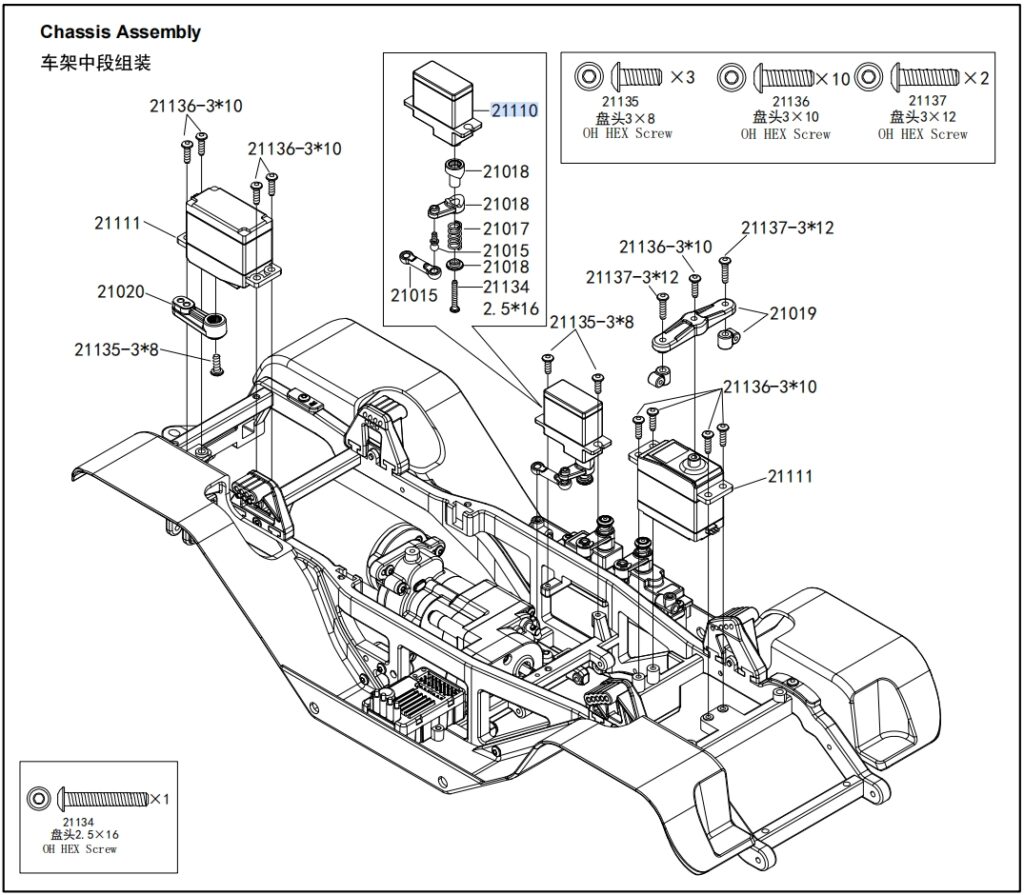
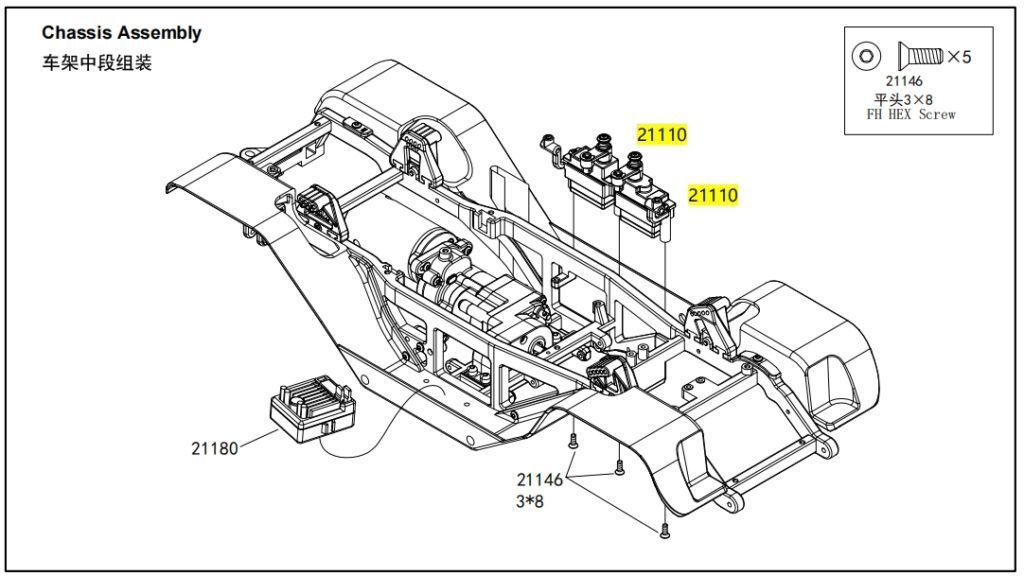
The YIKONG YK4107 RC Car Parts 17G Servo (no.21110) can be installed in three different functional positions: the front differential lock, rear differential lock, and gear shifting system.
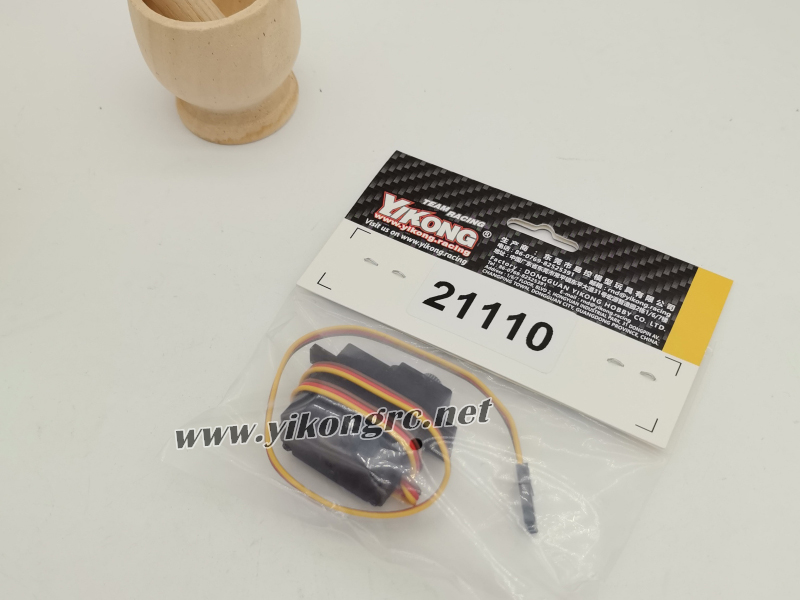
Each function requires its own dedicated 17G Servo to ensure accurate movement and reliable operation. During installation, make sure the servo horn, linkage, and travel settings are adjusted correctly to prevent binding or incomplete movement. Proper installation allows your YIKONG YK4107 RC Car to switch gears and control differential locks smoothly during off-road driving.
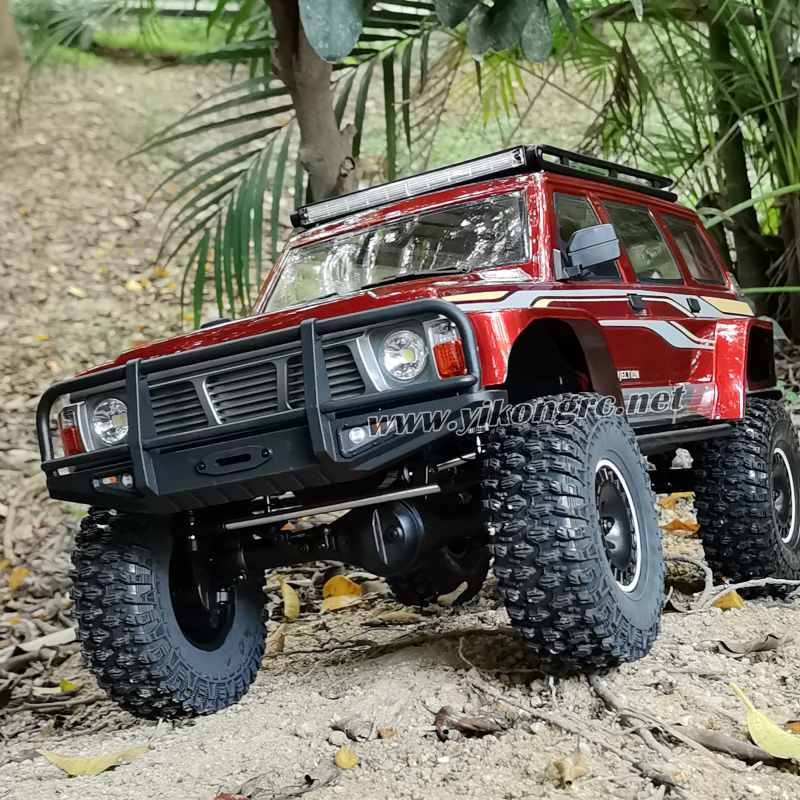
The YIKONG YK4107 RC Car Parts Tires (21099) are Padded Tires, so both sides of each tire should be bonded to the wheel using RC tire glue. Proper gluing helps prevent the tire from separating from the wheel during high-speed driving, climbing, or demanding off-road conditions.

Before driving your YIKONG YK4107 RC Car, inspect the glued areas regularly for signs of loosening or separation. If the adhesive begins to fail, re-glue the tire promptly to maintain reliable traction, stable handling, and safe operation.

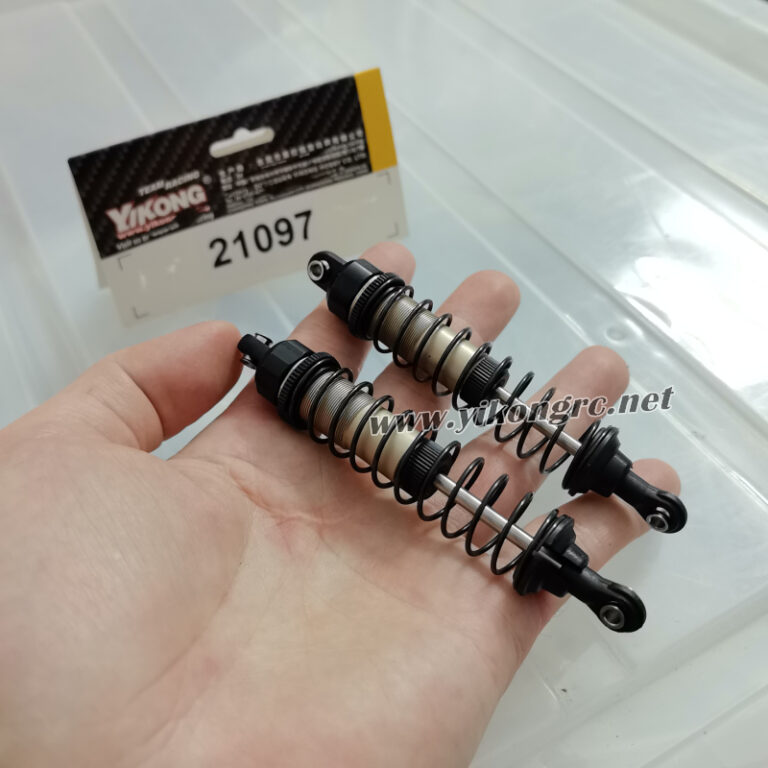
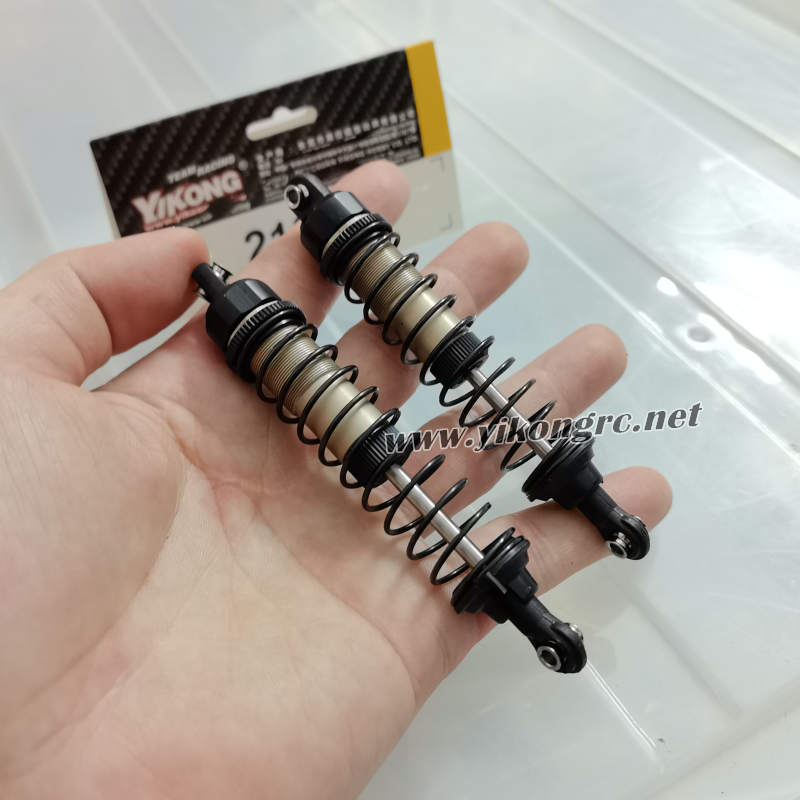
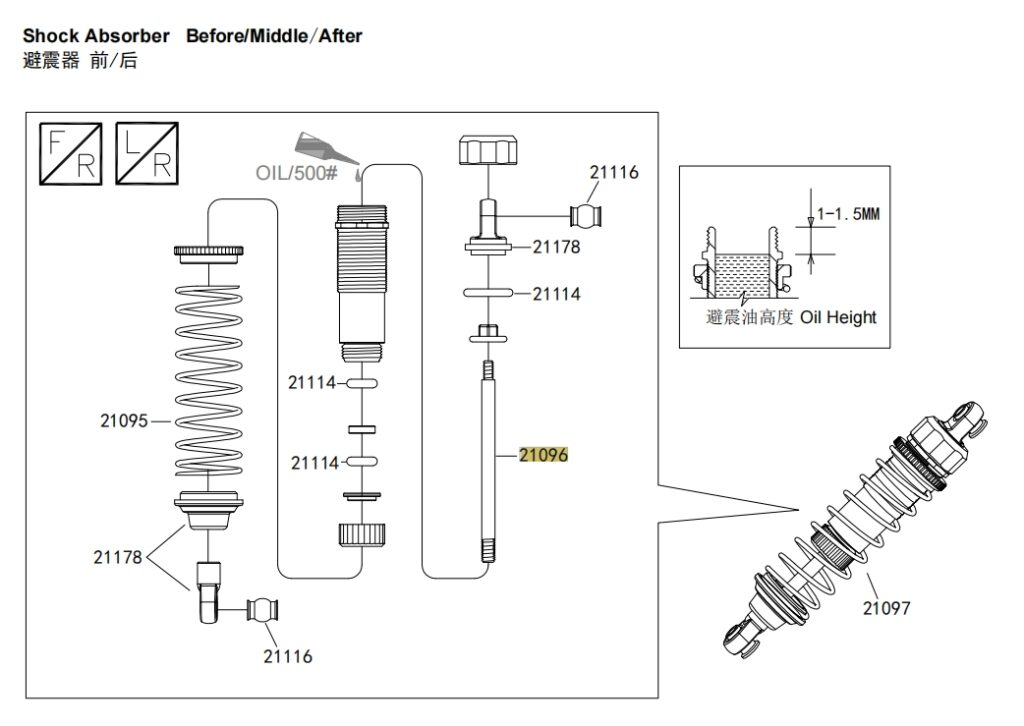
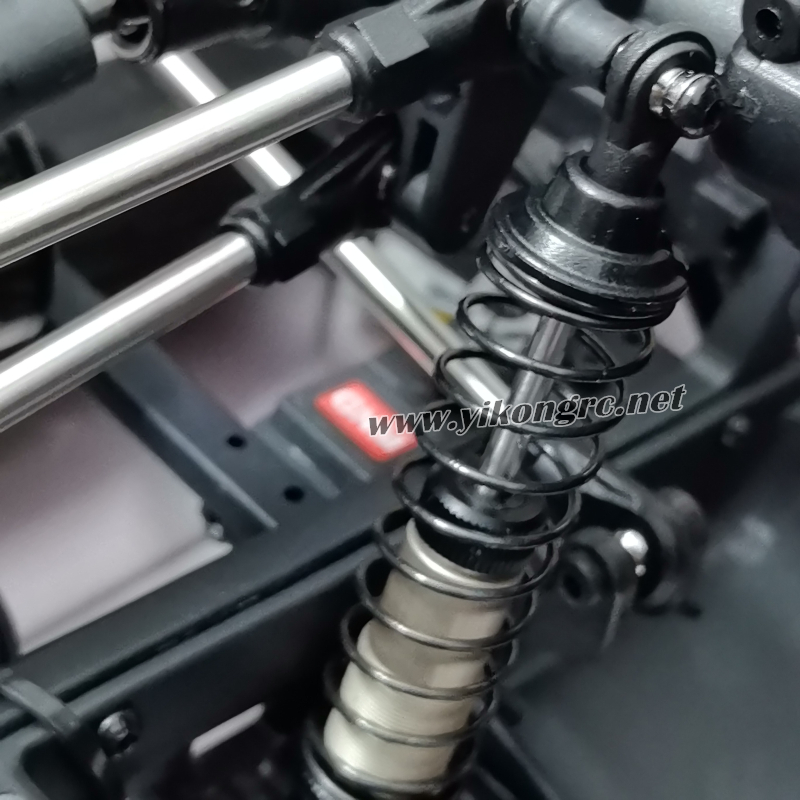
If your YIKONG YK4107 RC Car leans to one side, the YIKONG YK4107 RC Car Parts Shock Absorber Set (21097) should be one of the first components to inspect. A bent shock absorber shaft, fatigued spring, oil leakage, or improper installation can all cause uneven ride height and affect suspension performance.

Check both front and rear shock absorbers for oil leaks, damaged springs, bent shafts, and loose mounting screws. Replacing worn or damaged parts promptly will help restore balanced suspension performance and improve the handling of your YIKONG YK4107 RC Car.

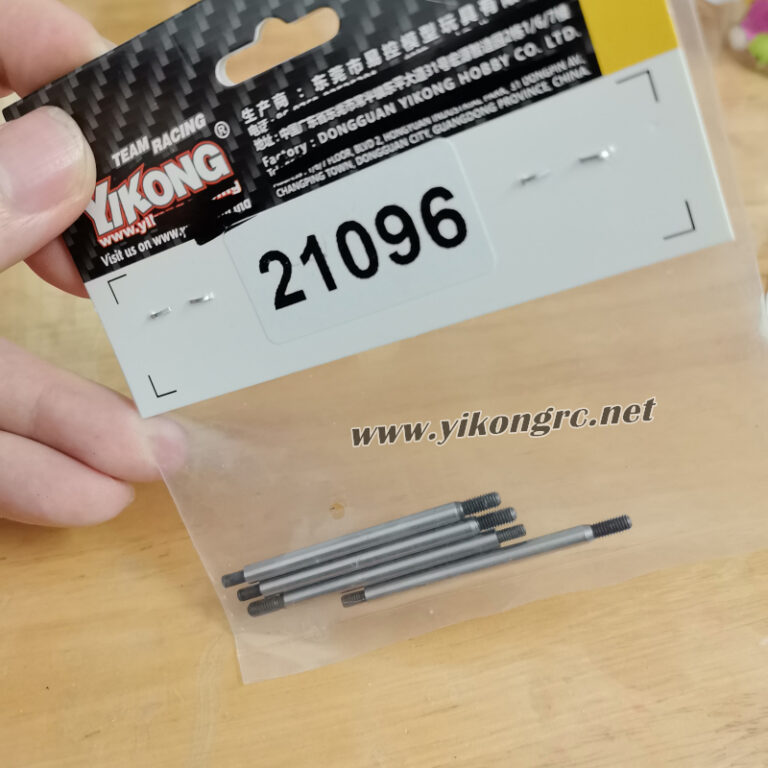
No. A bent YIKONG YK4107 RC Car Parts Shock Absorber Shaft (21096) can restrict suspension movement, reduce shock absorber performance, and place additional stress on other suspension components. Continuing to use a damaged shaft may also lead to uneven handling and accelerated wear.

If you notice that the shaft is bent, scratched, or corroded, replace it as soon as possible. Keeping the YIKONG YK4107 RC Car Parts Shock Absorber Shaft clean and inspecting it regularly will help your YIKONG YK4107 RC Car maintain smooth suspension action and reliable off-road performance.

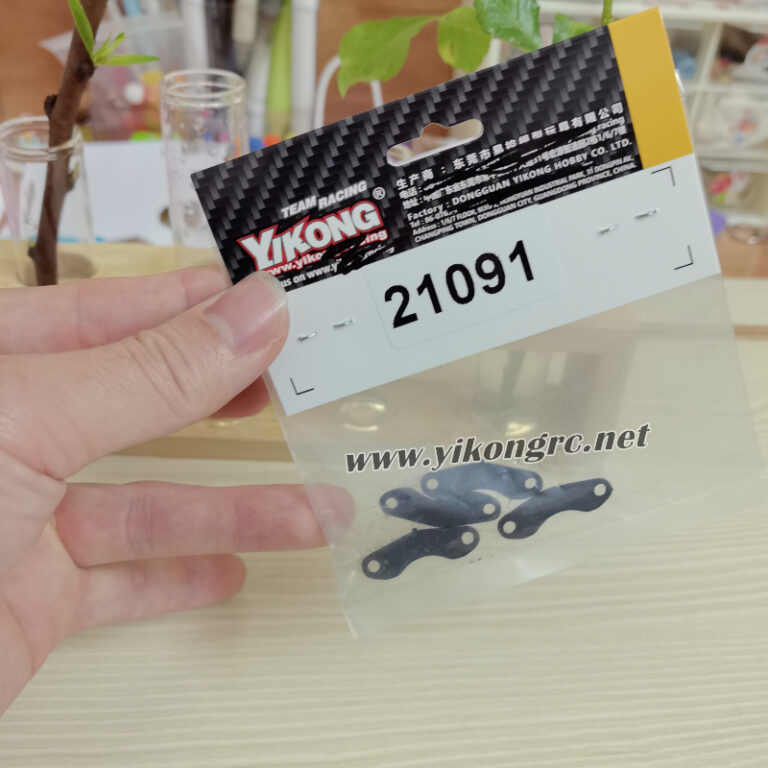
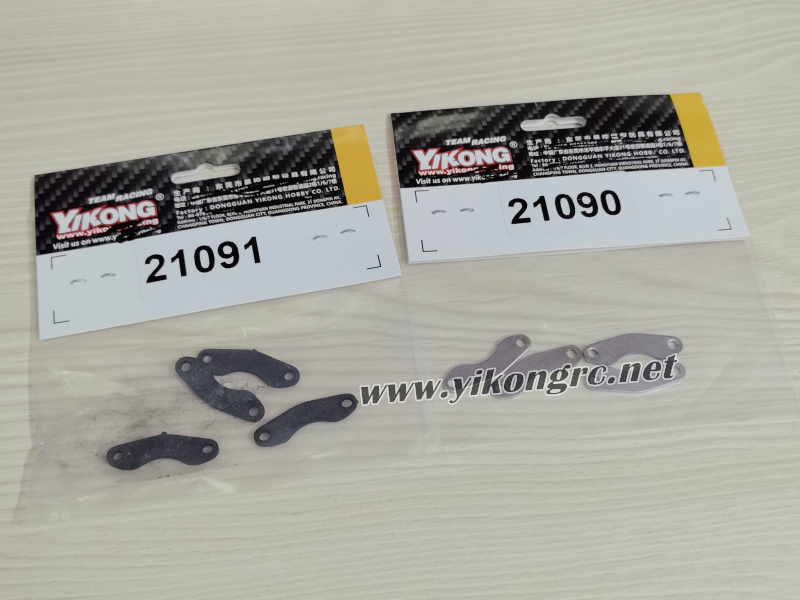
The YIKONG YK4107 RC Car Parts Brake Friction Linings (21091) should be replaced when the friction material becomes noticeably thinner, braking performance decreases, or uneven wear appears. Replacing worn brake linings in time helps maintain consistent braking force and protects other components in the braking system of your YIKONG YK4107 RC Car.

After installing new Brake Friction Linings, perform several low-speed braking cycles to allow the friction surfaces to seat properly. This helps achieve smoother braking response and optimal braking performance.

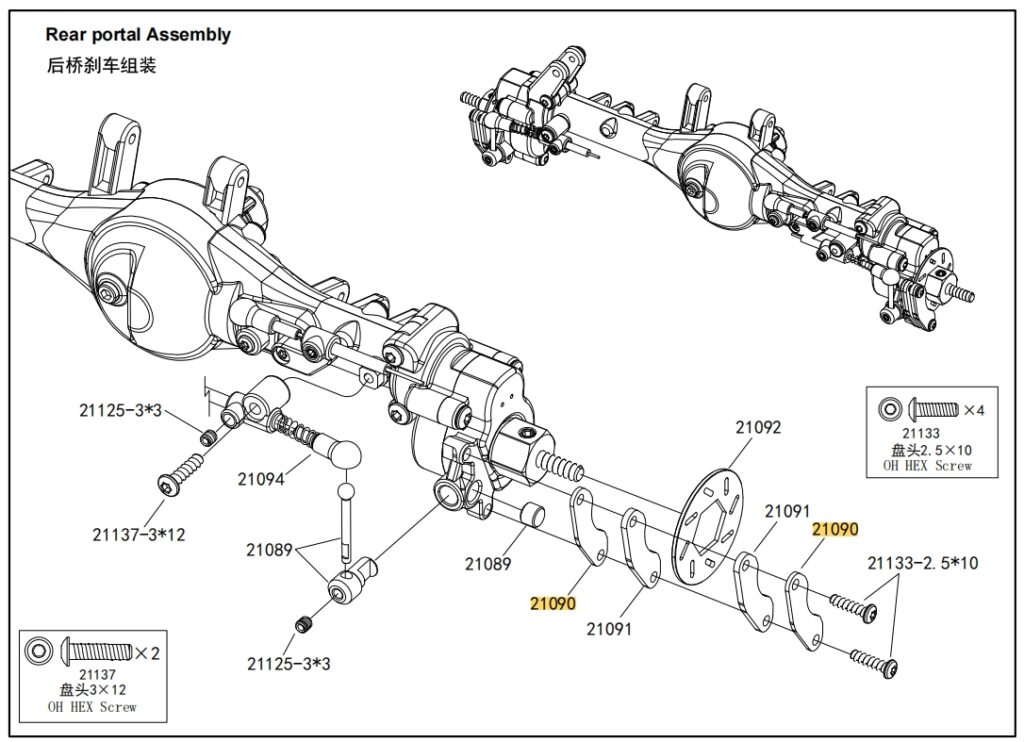
What Is the Difference Between Brake Friction Linings (21091) and Brake Clips (21090)?

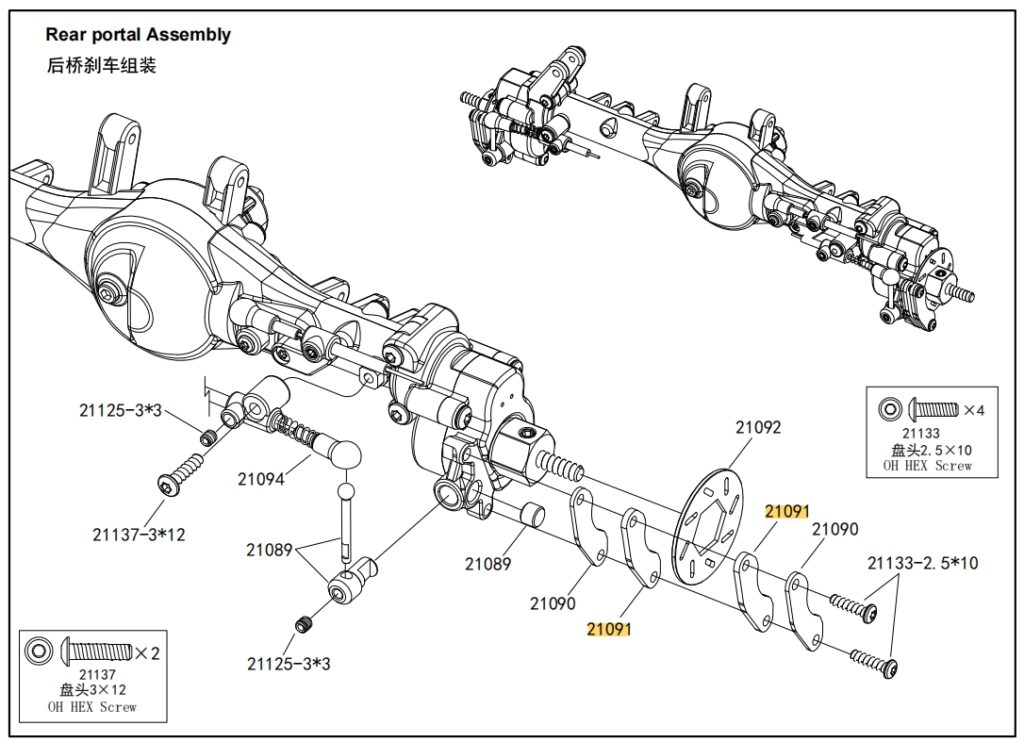
Although both parts belong to the braking system of the YIKONG YK4107 RC Car, they perform completely different functions. Brake Friction Linings generate the friction needed for braking, while Brake Clips secure the brake components in place. Both are essential for proper brake operation.

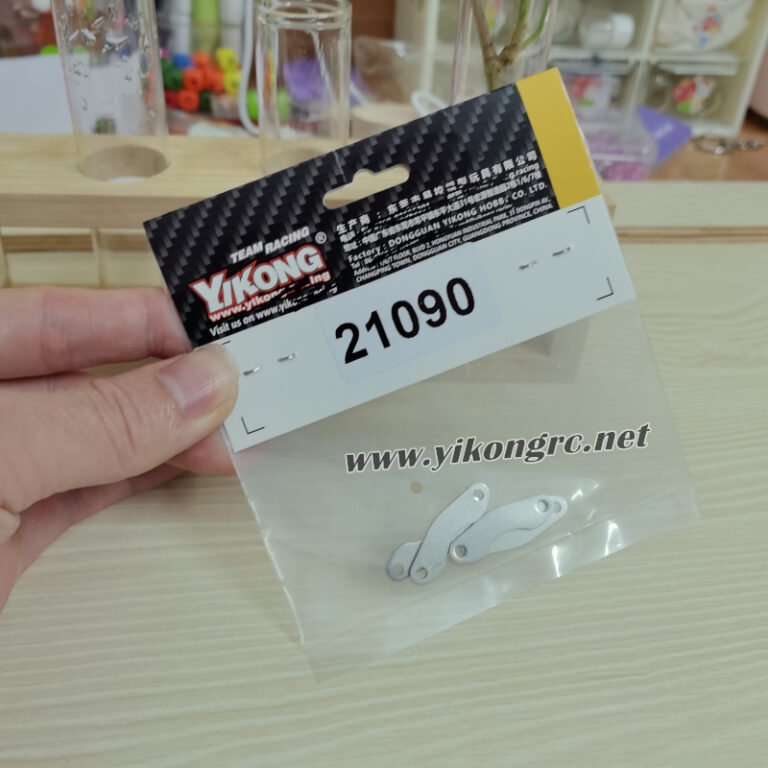
The YIKONG YK4107 RC Car Parts Brake Clips (21090) should be replaced if they become bent, cracked, loose, or no longer provide enough holding force to secure the brake assembly. It’s also a good idea to install new Brake Clips whenever you’re servicing or upgrading the braking system on your YIKONG YK4107 RC Car.

Worn Brake Clips can allow brake components to shift during operation, which may reduce braking performance, create unusual noises, and increase wear on other brake parts. Replacing damaged clips in time helps keep the brake assembly secure and ensures consistent, reliable braking.

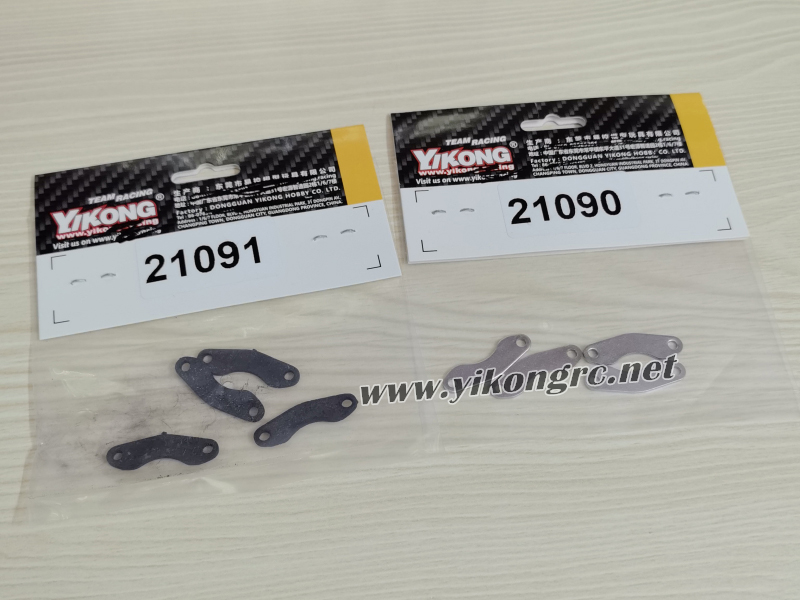
What Is the Difference Between Brake Friction Linings (21091) and Brake Clips (21090)?

Although both parts belong to the braking system of the YIKONG YK4107 RC Car, they perform completely different functions. Brake Friction Linings generate the friction needed for braking, while Brake Clips secure the brake components in place. Both are essential for proper brake operation.

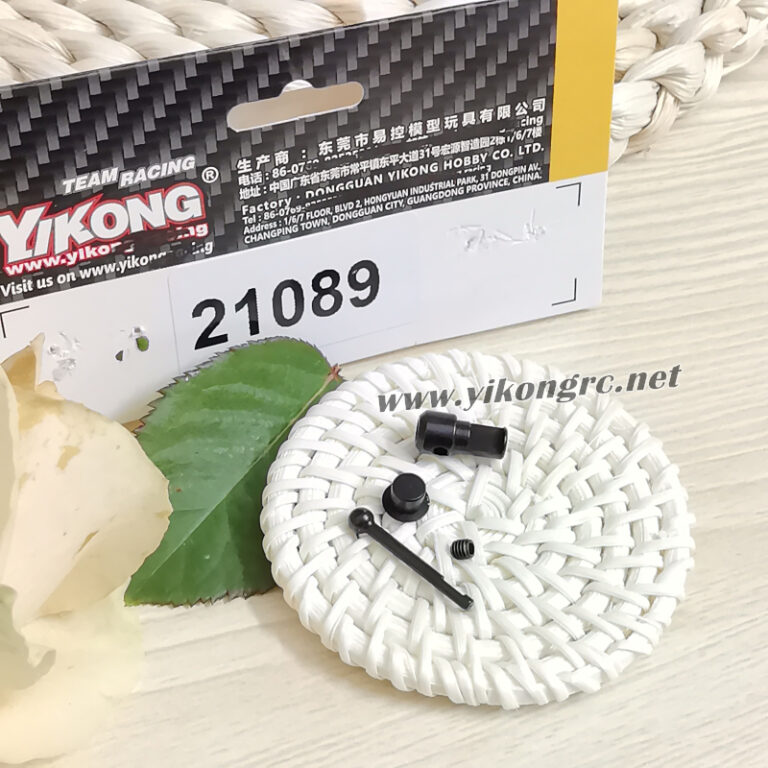
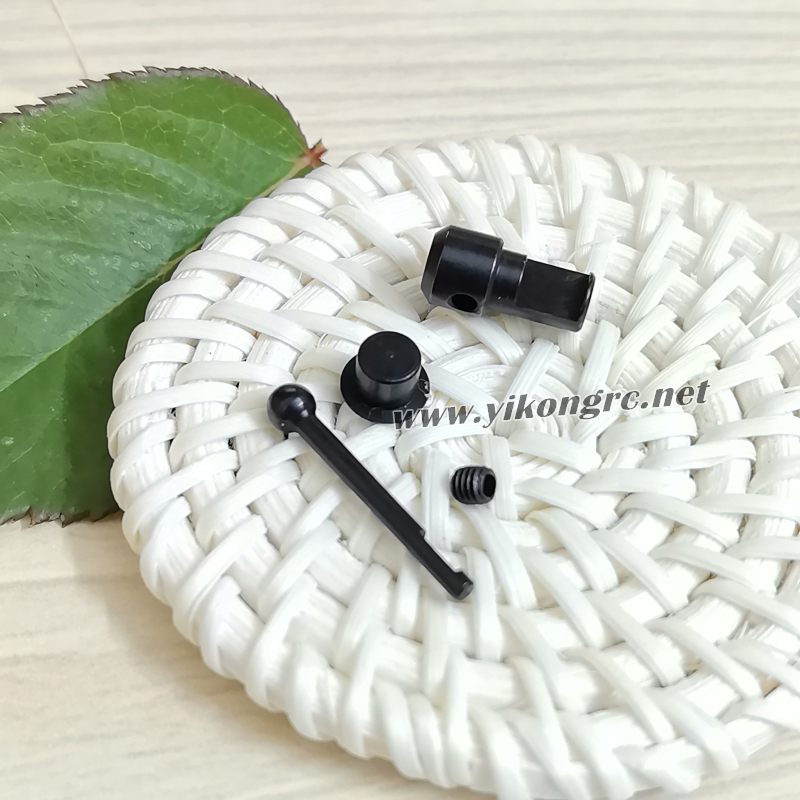
If the YIKONG YK4107 RC Car Parts Brake Camshaft Set (21089) feels stiff or doesn’t move smoothly, it is often caused by dirt, sand, dried grease, or a lack of lubrication around the camshaft and pivot points. In some cases, loose or damaged components may also affect brake movement.

To restore smooth operation, clean the Brake Camshaft Set thoroughly, inspect all moving parts for wear or damage, and apply a small amount of RC-grade lubricant to the pivot points if needed. Avoid using excessive grease, as it can attract dirt and reduce braking performance. Regular inspection and cleaning will help keep your YIKONG YK4107 RC Car braking system operating smoothly and reliably.

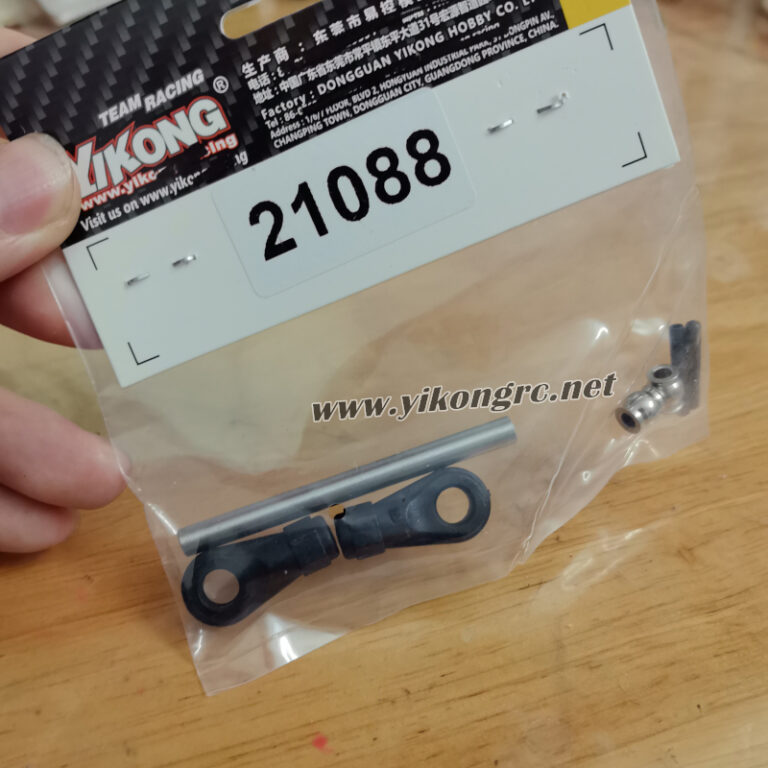
The YIKONG YK4107 RC Car Parts Servo Pull Rod (21088) should be inspected after every off-road session or heavy impact. Under normal driving conditions, checking it every 20–30 runs is recommended to ensure the steering system remains in good condition.

During each inspection, check for bent linkage rods, worn rod ends, loose mounting screws, or dirt buildup. Regular inspections help your YIKONG YK4107 RC Car, YK4107 Pro, or YK4106 maintain precise steering and reduce unnecessary wear.

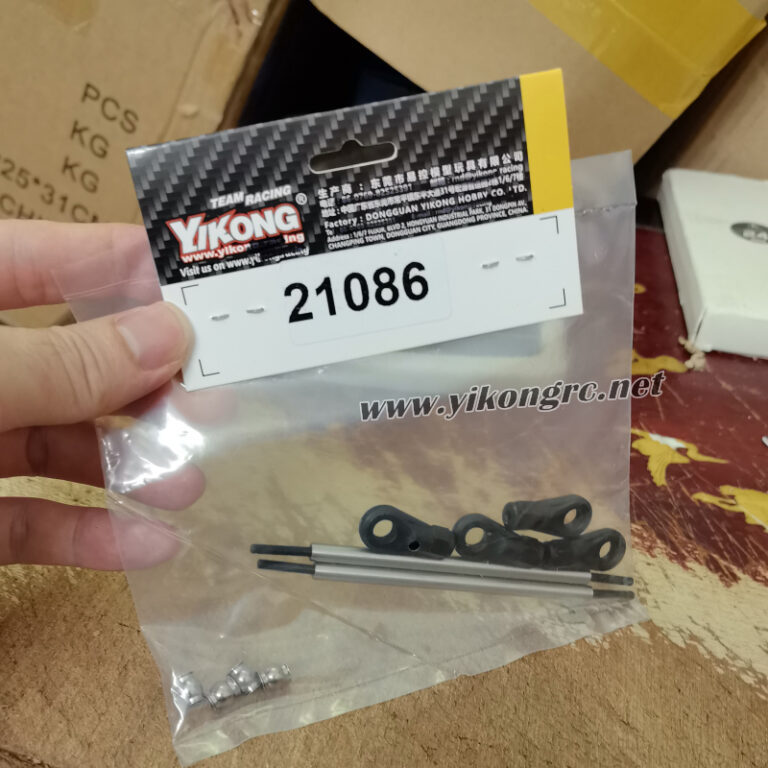
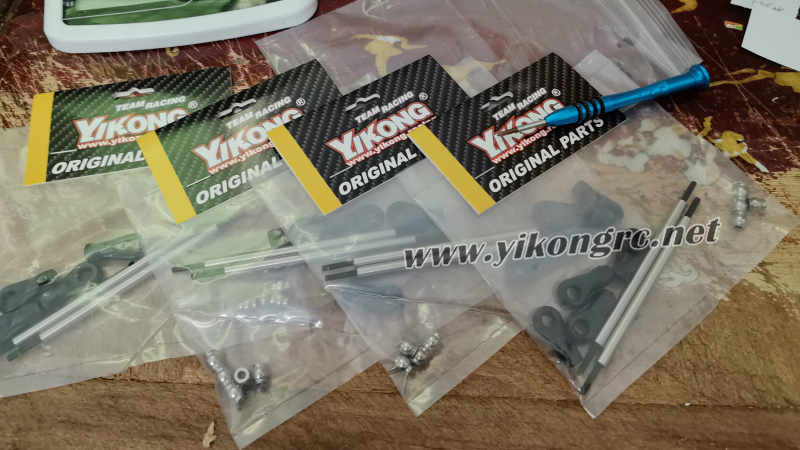
No. The YIKONG YK4107 RC Car Parts Rear Upper Linkage (21086) features a fixed 83mm length and is engineered to match the factory mounting points on the YIKONG YK4107 RC Car and YK4107 Pro. Simply install it in the correct orientation without making any length adjustments.

After installation, verify that both rod ends move smoothly, the rear axle remains centered, and all mounting screws are securely tightened. Performing these checks will help your YIKONG YK4107 RC Car maintain stable suspension geometry and reliable off-road performance.

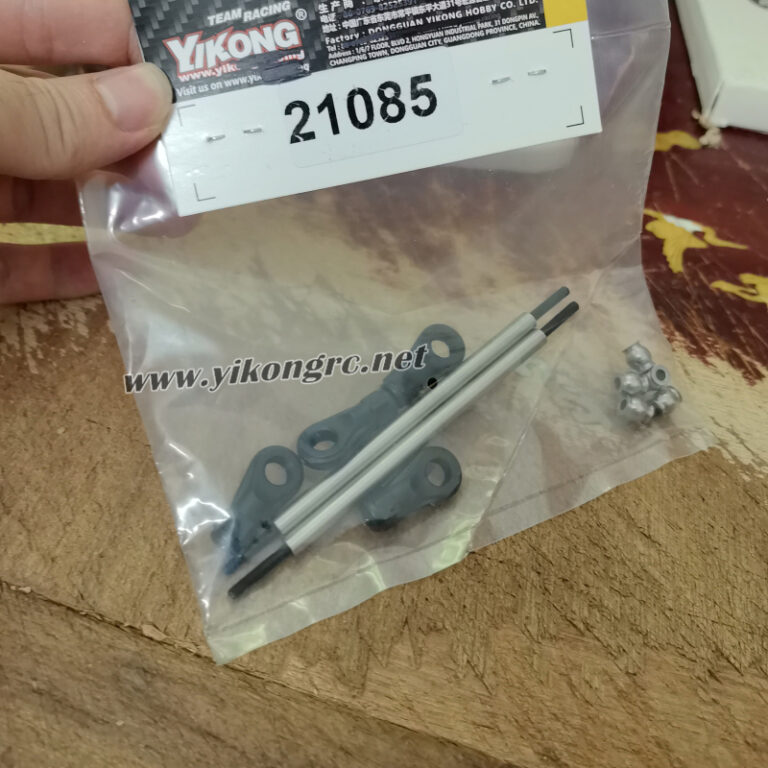
No. The YIKONG YK4107 RC Car Parts Front Lower Pull Rod (21085) has a fixed length of 85mm and is manufactured to match the original factory specifications. Simply install it using the original mounting points without making any length adjustments.

After installation, make sure both rod ends move freely, all mounting screws are securely tightened, and the front axle remains properly aligned for smooth steering and suspension performance.